SUITBORN NIGHT 3 Gojira — Night 1 Entity
Learn the first-night kaiju that teaches SUITBORN's generators, cameras, closets, and 6 AM survival loop.
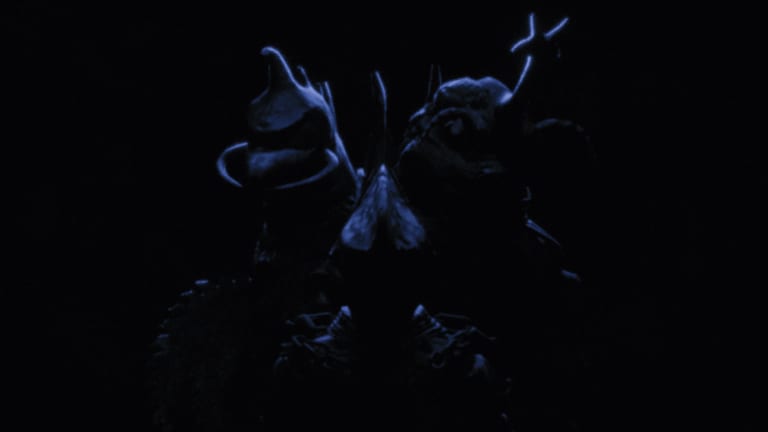
Gojira is the anchor threat of Night 1 in SUITBORN, SuperBao90’s alpha Roblox horror survival experience endorsed by Unknowingly (TMITS). Every later night — Anguirus/Bart/Dart on Night 2, Kong on Night 3 — assumes you understand how Gojira stress-tests generators, camera anxiety, and closet hiding. Treat this page as your foundational entity guide before jumping to multi-threat routes.
Role in the SUITBORN loop
A standard shift tasks your squad with facility objectives while keeping generators online, managing anxiety through cameras and emotes, and hiding when patrol pressure spikes. Gojira embodies the “learn the building” phase: corridors are longer than they look, power dips punish greedy repair routes, and camera room players feel anxiety climb before runners do.
Night 1 is not “easy horror.” It is structured training where mistakes teach timing without Night 2’s overlapping threats.
Behavior patterns players report
Alpha builds evolve, but consistent Gojira behaviors include:
- Hallway dominance — Gojira favors main connector paths between generator wings and the office cluster. Shortcutting side maintenance tunnels reduces direct line-of-sight but trades repair time.
- Audio telegraphing — distant stomps, structural groans, and localized rumble cues precede visible contact. Camera players should call direction early; silent panic wastes closet charges.
- Generator proximity spikes — lingering near an offline generator increases encounter odds. Repair in pairs: one watches approach lanes while the other completes the interaction.
- Office pressure windows — anxiety climbs when cameras stay fixed on Gojira too long. Rotate watchers, use emotes intentionally, and avoid staring contests that freeze input.
- Closet resolution — when Gojira passes a hiding spot, wait for audio fade plus one extra beat before exiting. Premature leaves cause the majority of Night 1 wipes in public lobbies.
Document your own patch-specific tells after Patch Notes updates — V3.7’s class idle animations and Codex fixes changed UI feedback timing for some players.
Camera room fundamentals vs Gojira
Cameras are Gojira’s psychological weapon:
- Assign a primary watcher who knows map camera indices
- Set a secondary runner who only glances when called — dual watchers double anxiety
- Mark safe repair windows when Gojira is on the opposite wing
- Call hard resets when anxiety icons trend red; emote cooldowns exist for a reason
If your squad lacks voice chat, use Roblox emotes as simple pings (“all clear” vs “hold”) to reduce miscommunication.
Generator strategy
Generators are the win condition disguised as a side quest:
- Route planning — chain repairs clockwise or counter-clockwise; zig-zagging pulls Gojira toward mid-map collisions
- Power budgeting — finishing one generator completely beats half-touching two during a chase
- Failure recovery — when power drops, cameras blind first. Send your fastest class — see Classes Overview — while others hold office calm
Night Vision (~150 Robux) helps dark-wing repairs but does not remove Gojira’s audio tells. Buy it for clarity, not invulnerability.
Closet and hiding etiquette
Closets save runs when used with discipline:
- Enter before Gojira rounds the final corner, not after
- One player per closet unless mechanics explicitly allow stacking
- Exit toward generator progress, not toward the last known stomp direction
Gojira teaches that hiding is a resource, not a lifestyle. Teams that hide through entire windows fail tasks and lose 6 AM margins.
Squad roles that shine on Night 1
| Role | Gojira duty | Why it matters |
|---|---|---|
| Camera anchor | Call stomp direction | Prevents surprise generator facechecks |
| Repair lead | Chain offline gens | Keeps power for doors/cameras |
| Flex runner | Tasks + clutch repairs | Stops objective backlog |
| Bloodbath grinder | Kenji Fujimoto unlock progress | Long-term class payoff — see Classes Overview |
Kenji’s invisibility katana kit matters more in later nights, but Bloodbath XP starts here.
Transitioning to Night 2
Once Gojira patterns feel readable, study Anguirus and Csybot. Night 2 adds Bart, Dart, and Csybot complications where single-threat callouts fail. Players who skip Gojira fundamentals blame “RNG” when they are actually missing audio discipline.
Track Night 3 Roadmap separately — Kong is TBD and should not distract from Night 1 mastery.
Common Night 1 mistakes
- Repairing alone without camera cover
- Chasing fake codes instead of buying verified gamepasses when needed
- Ignoring anxiety until movement locks
- Leaving closets early on audio guesswork alone
- Splitting tasks across the whole map during peak stomp windows
Related pages
- Anguirus and Csybot — Night 2 multi-threat guide
- Classes Overview — survivor kits including Kenji Fujimoto
- Players Hub — full roster index
- How to Play — first-shift onboarding
Frequently Asked Questions
Quick answers to the most common questions.
Is Gojira only on Night 1?
Gojira anchors Night 1 progression. Later nights introduce new entities but reuse the core systems Gojira teaches.
What is the fastest way to learn Gojira routes?
Run repeated Night 1 shifts focusing on audio callouts and generator chains before optimizing task speed.
Does Night Vision trivialize Gojira?
No. It helps dark areas but Gojira still punishes bad timing, anxiety spikes, and solo repairs.
Should camera players stare at Gojira constantly?
No. Rotate watchers and manage anxiety — long stares spike stress and freeze useful callouts.
When should we move to Night 2?
When your squad consistently reaches 6 AM with stable generator timing and clear audio comms.